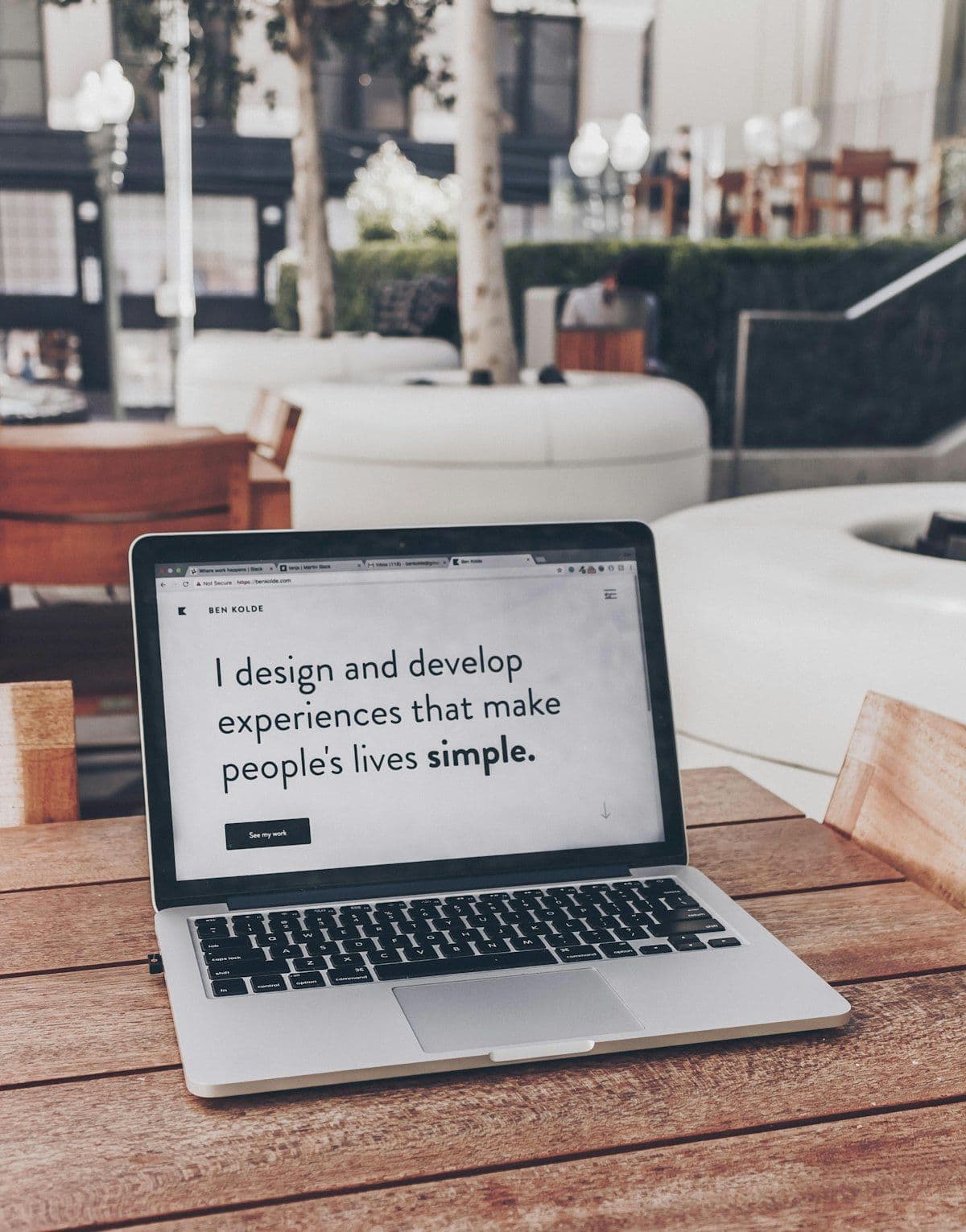
A portfolio is more than just a collection of your work; it's a powerful tool that showcases your skills, creativity, and potential to future employers. Whether you're a budding graphic designer, a passionate writer, or an aspiring engineer, having a well-crafted portfolio can set you apart from the competition. Let’s dive into what makes a great portfolio and how you can create one that shines.
Why You Need a Portfolio
First off, why should you even bother with a portfolio? In today's job market, employers want to see proof of your skills. Resumes are great, but they only tell part of the story. A portfolio gives you the chance to show your work firsthand. It’s a dynamic way to present your abilities, experiences, and personality. Plus, it’s a platform where you can highlight projects that matter most to you.
Show Your Skills
A portfolio allows employers to see what you can actually do rather than relying only on descriptions in your resume.
Highlight Your Experience
You can use your portfolio to showcase school projects, internships, freelance work, and personal projects that demonstrate your growth.
Types of Portfolios
Before you start gathering your work, it’s essential to know that there are different types of portfolios.
Traditional Portfolio
This is often a physical binder or folder containing printed work samples, such as essays, designs, or reports. It is useful for in-person interviews or presentations.
Digital Portfolio
With the rise of technology, having an online portfolio is a must. Websites like Behance, Wix, UrOwn or even social media platforms can host your work. Digital portfolios allow for multimedia elements, like videos and interactive designs.
Social Media Portfolio
For creatives, platforms like Instagram or LinkedIn can serve as portfolios. They’re useful for showcasing your personality and engaging with potential employers.
What to Include
So, what should you put in your portfolio? Here’s a quick checklist of important elements.
Best Work Samples
Select pieces that highlight your skills and creativity. Quality over quantity is key. It’s better to have five stellar pieces than twenty mediocre ones.
Projects
Include school projects, internships, freelance work, or personal projects. Make sure to explain your role in each project and the skills you used.
Process
Show how you arrived at your final product. Include drafts, sketches, or notes to give insight into your thought process. This can demonstrate problem-solving skills and creativity.
Testimonials
If you've worked with clients or have received feedback from professors, include a few quotes or references. This adds credibility to your work.
Resume and Bio
A short bio and your resume can provide context about your background, skills, and aspirations. Make it personal and let your personality shine through.
Designing Your Portfolio
Design is crucial. A cluttered or poorly organized portfolio can turn off potential employers. Here are some tips for creating a professional portfolio design.
Keep It Simple
Opt for a clean layout that highlights your work without distractions. Use white space effectively to create a balanced look.
Maintain Consistent Branding
If you have a personal logo or color scheme, use it throughout your portfolio. Consistency helps create a professional impression.
Make Navigation Easy
Make sure it’s easy for viewers to find their way around. Use clear headings and an intuitive layout.
Use Clear Labels
Organize sections with descriptive names so visitors can quickly understand where to find specific information.
Keep Important Content Accessible
Place your most important projects, skills, and contact information where visitors can find them easily.
Make It Mobile-Friendly
If you're going digital, ensure your portfolio looks great on all devices. Many employers will check your work on their phones.
Tailoring Your Portfolio
One of the best practices for portfolio creation is tailoring it to your audience.
Match Your Portfolio to the Role
If you're applying for a graphic design internship, focus on your best design work. If you’re vying for a writing position, include your best articles or essays.
Customize for Each Application
Customize your portfolio for each application to show that you understand the company and its needs.
Updating Your Portfolio
Your portfolio is a living document. As you gain more experience and improve your skills, be sure to update it regularly.
Remove Outdated Work
Review your portfolio periodically and remove projects that no longer represent your current abilities.
Add New Projects
Add new projects that reflect your latest skills, experience, and professional growth.
Showcasing Your Personality
Don’t forget to let your personality shine through your portfolio. Use a friendly tone in your writing, include images or designs that reflect your style, and don’t hesitate to share a bit about who you are outside of your work.
Show Your Personal Style
Use design elements, writing style, and project selection that reflect who you are.
Be Authentic
Employers appreciate authenticity and want to know if you’ll fit into their team culture.
Final Thoughts
Creating a portfolio may seem daunting, but it’s an exciting opportunity to showcase your unique skills and personality. Remember, it’s not just about the work you’ve done; it’s about how you present it.
Take your time, gather your best pieces, and let your creativity flow. With a strong portfolio in hand, you’ll be well on your way to landing that dream job. Embrace the process, and make it a reflection of who you are and what you aim to achieve!
Bagikan artikel ini
Berikan wawasan ini kepada rekan & tim Anda.